



Our Vision for the
First German Reformed Church
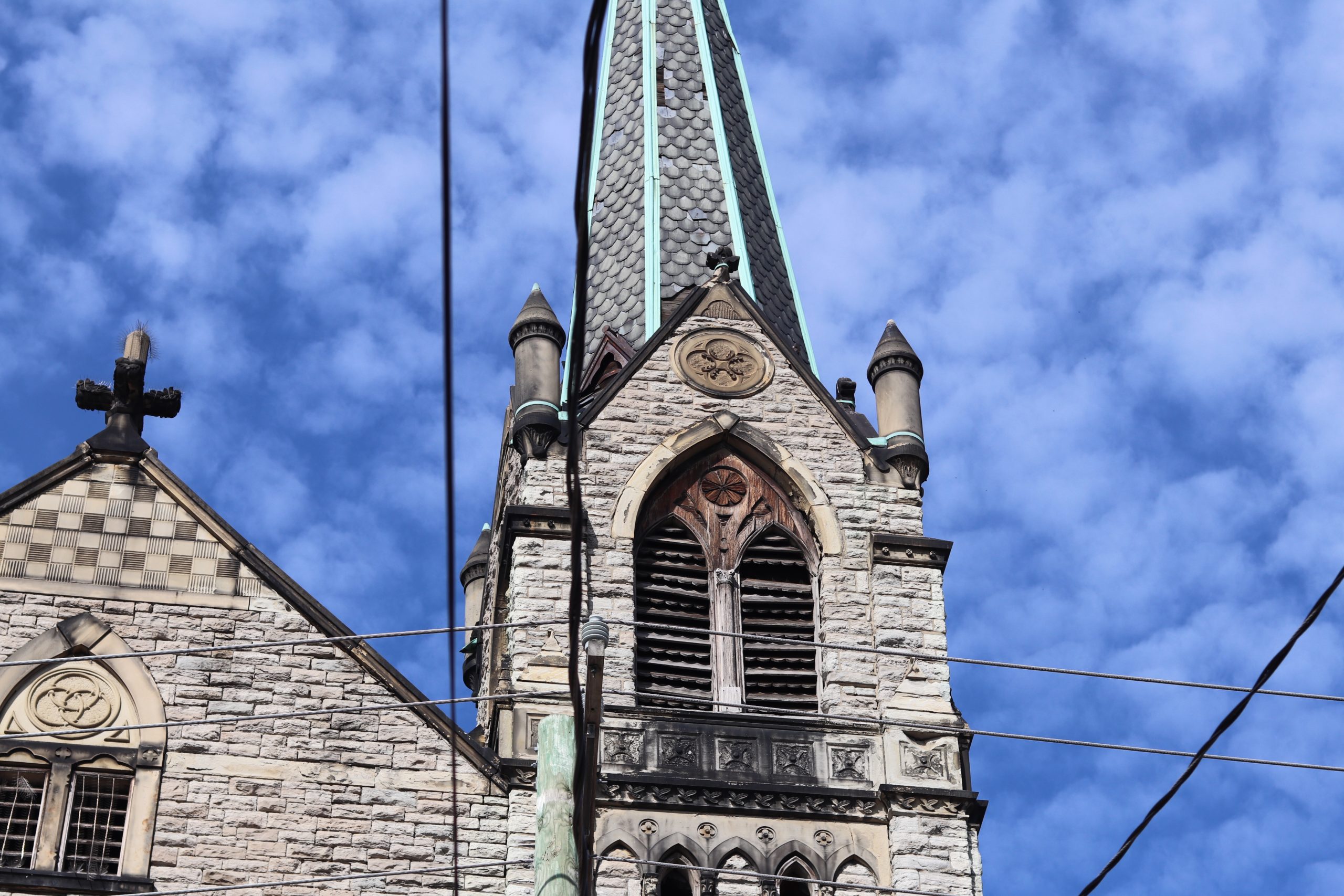
We are in the process of stabilizing this historic church, and hope to transform it into an accessible community space.
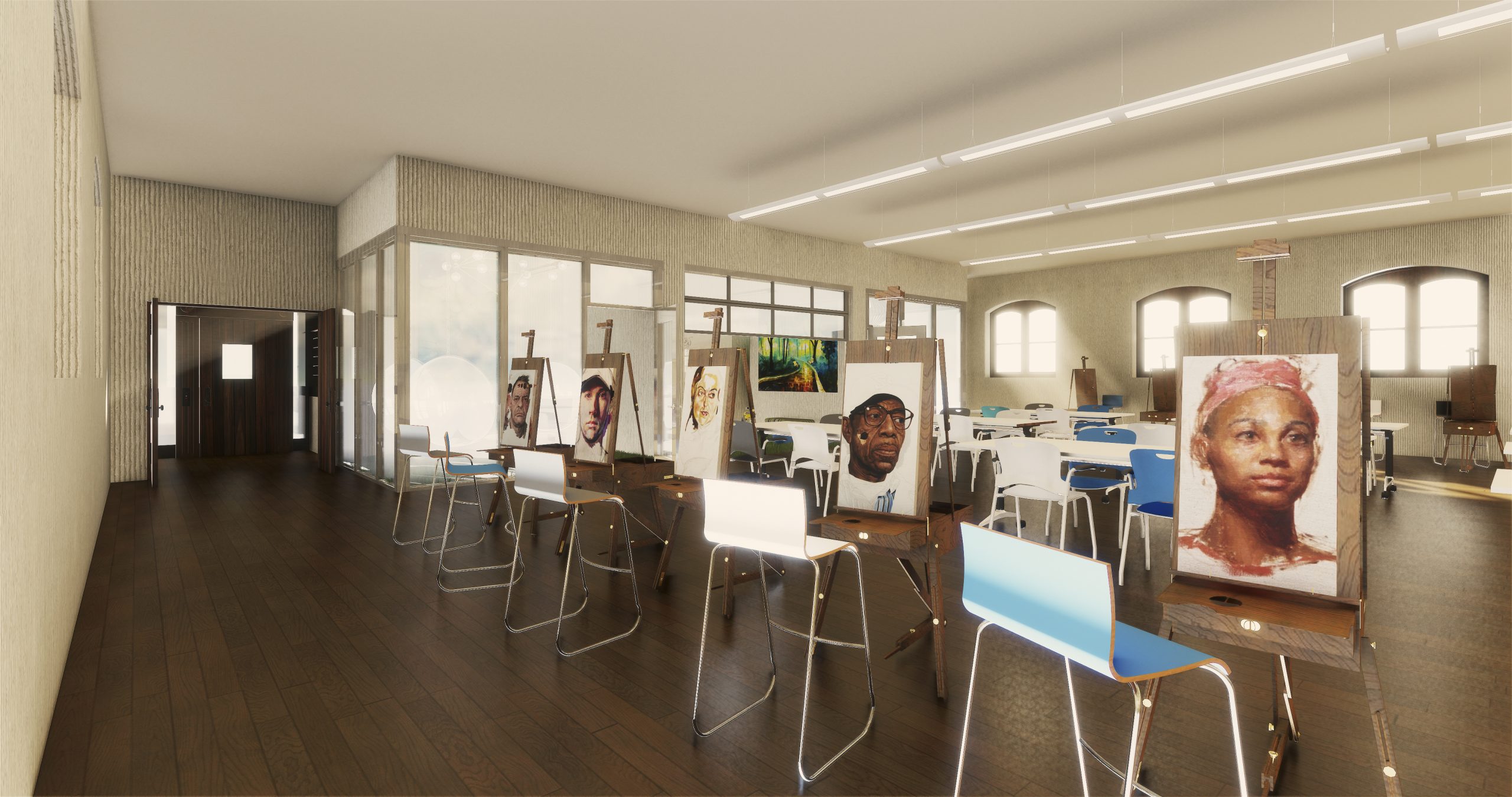
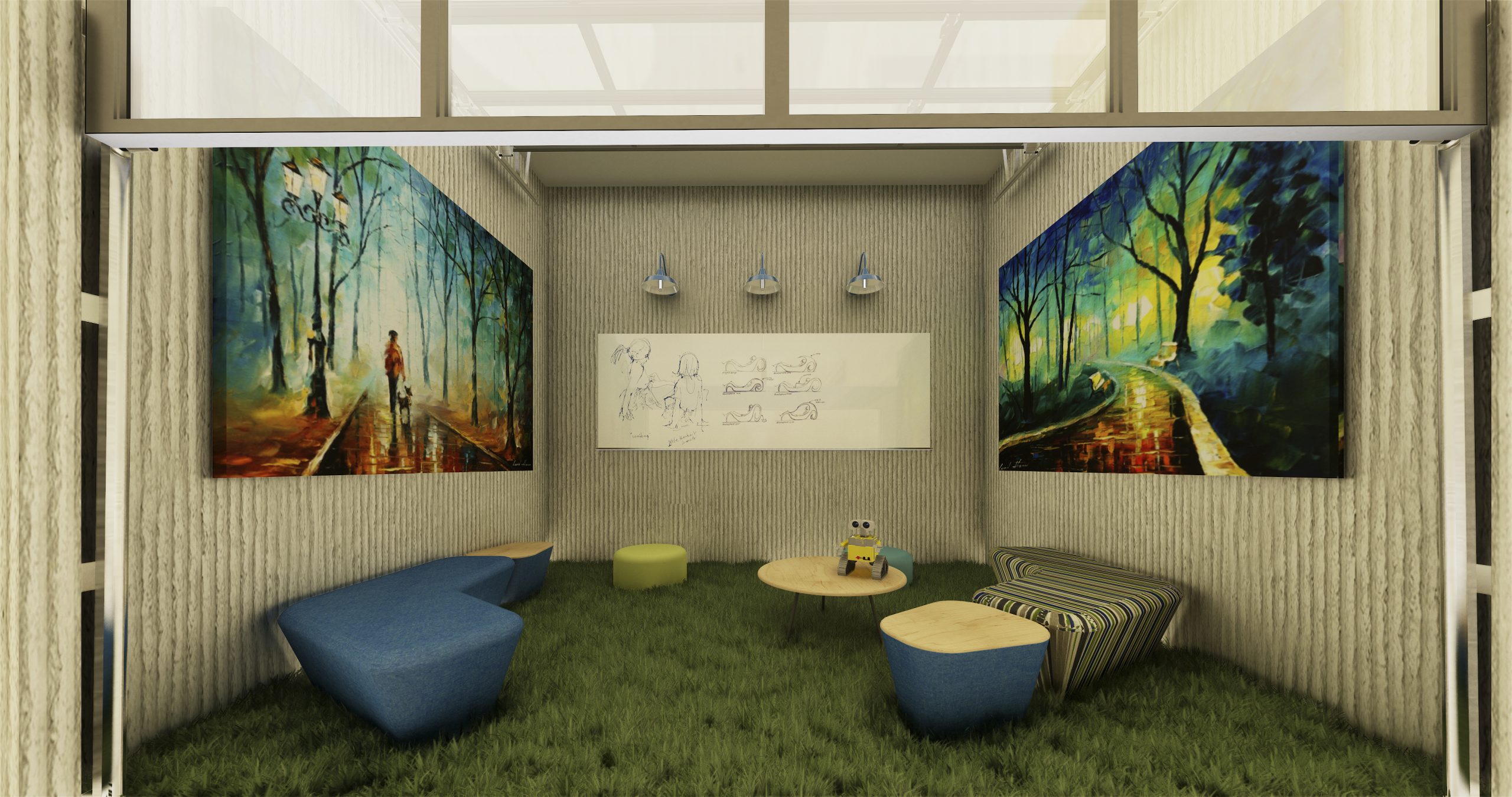
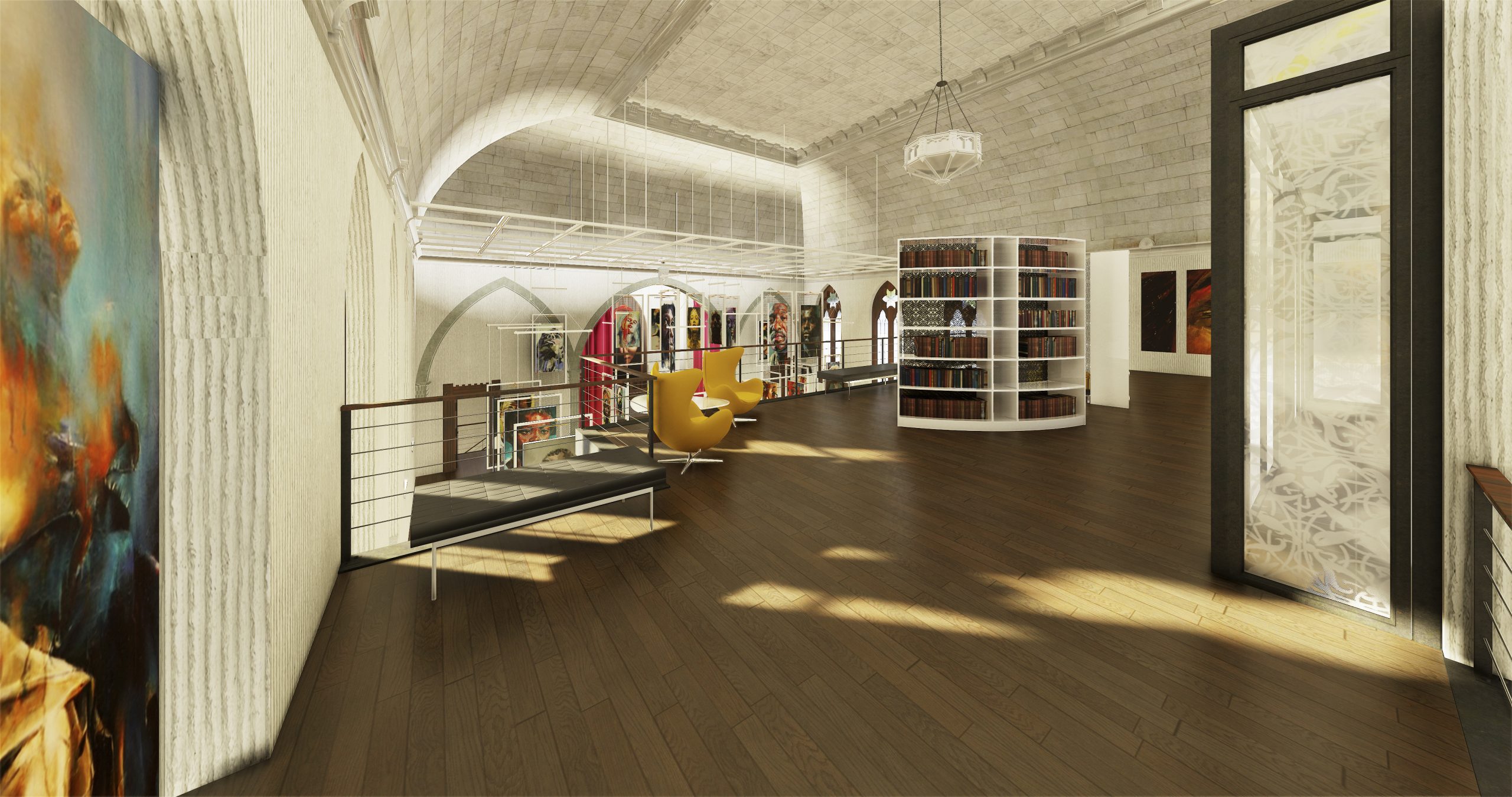
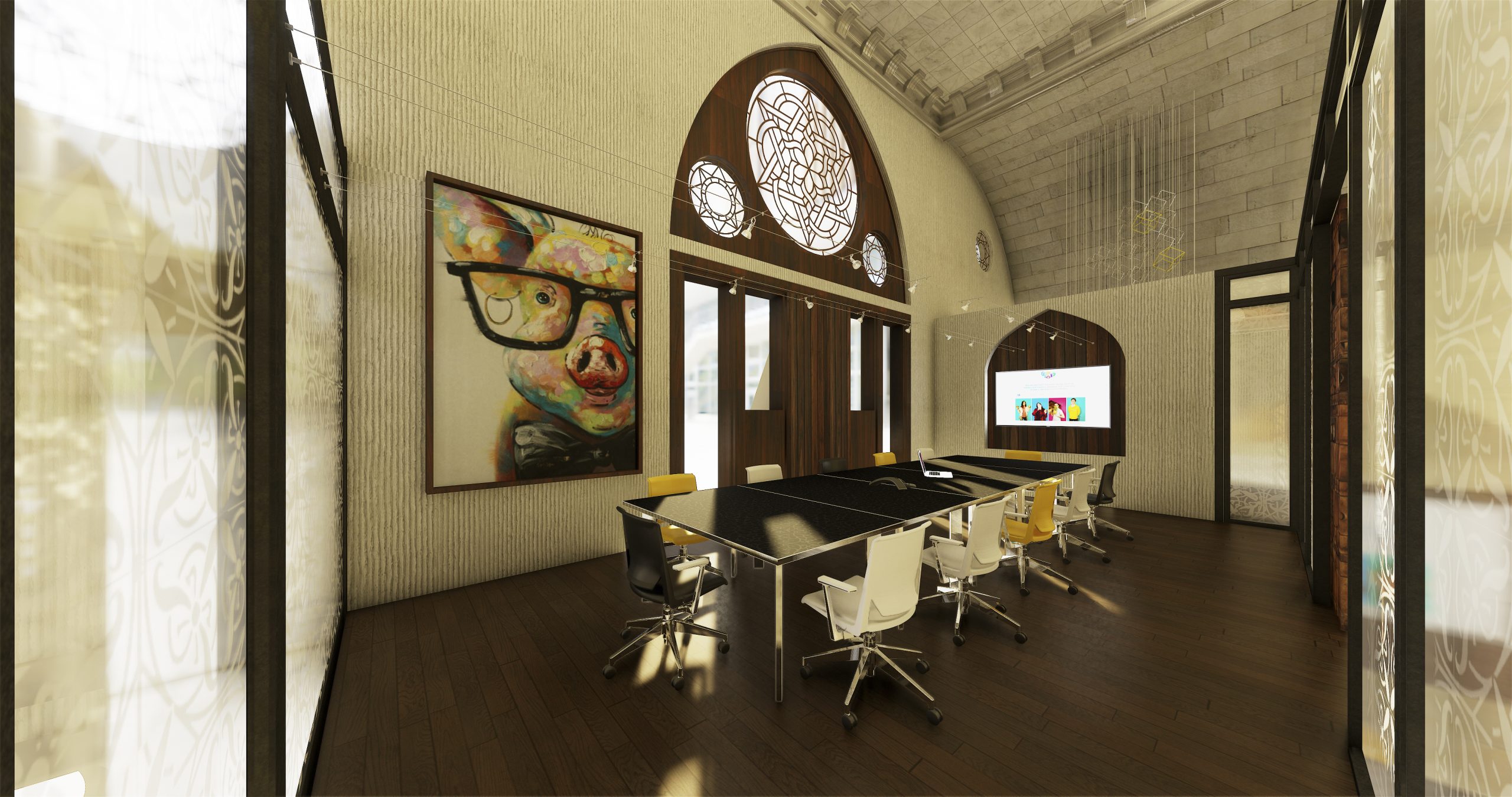
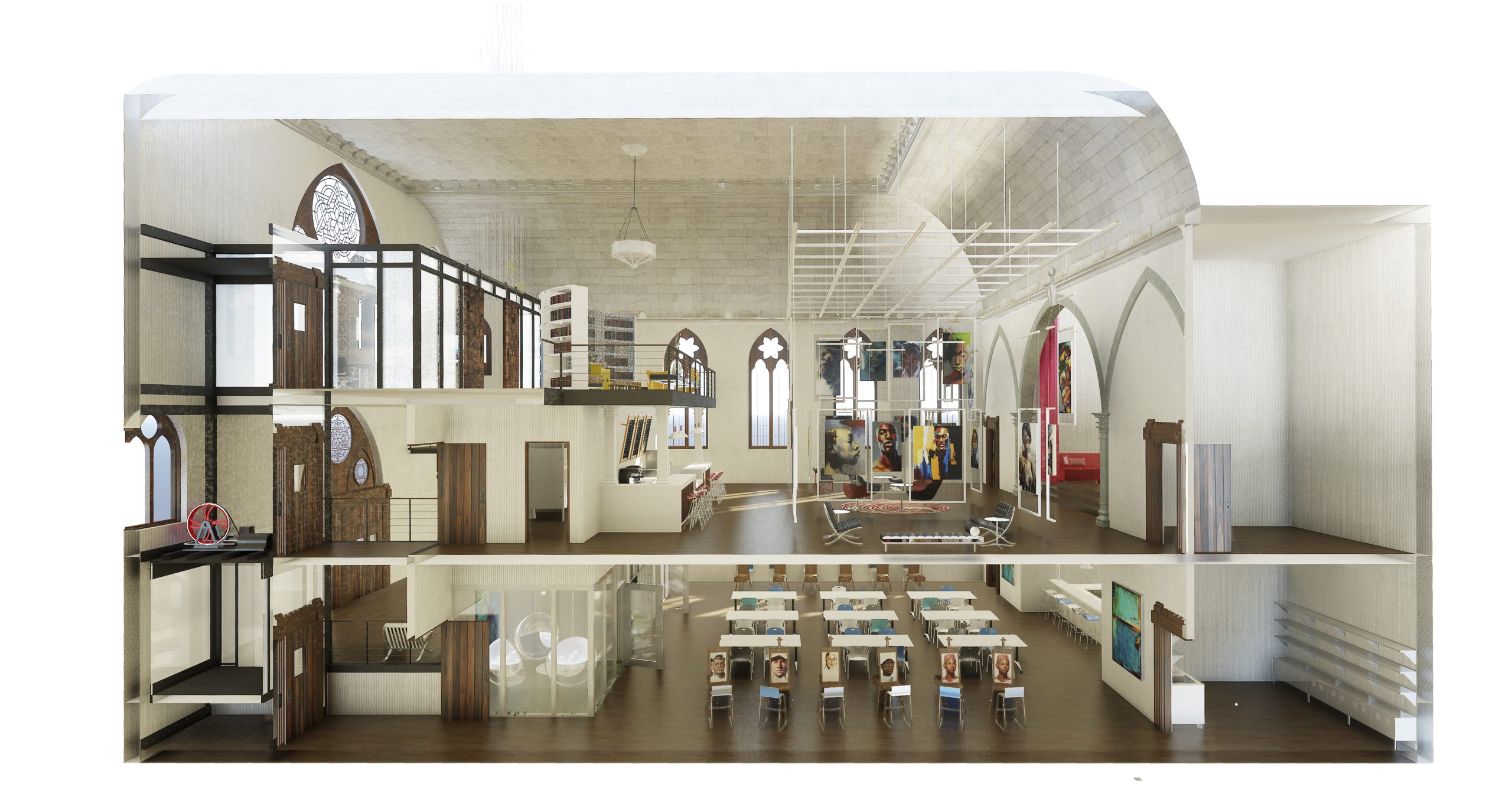
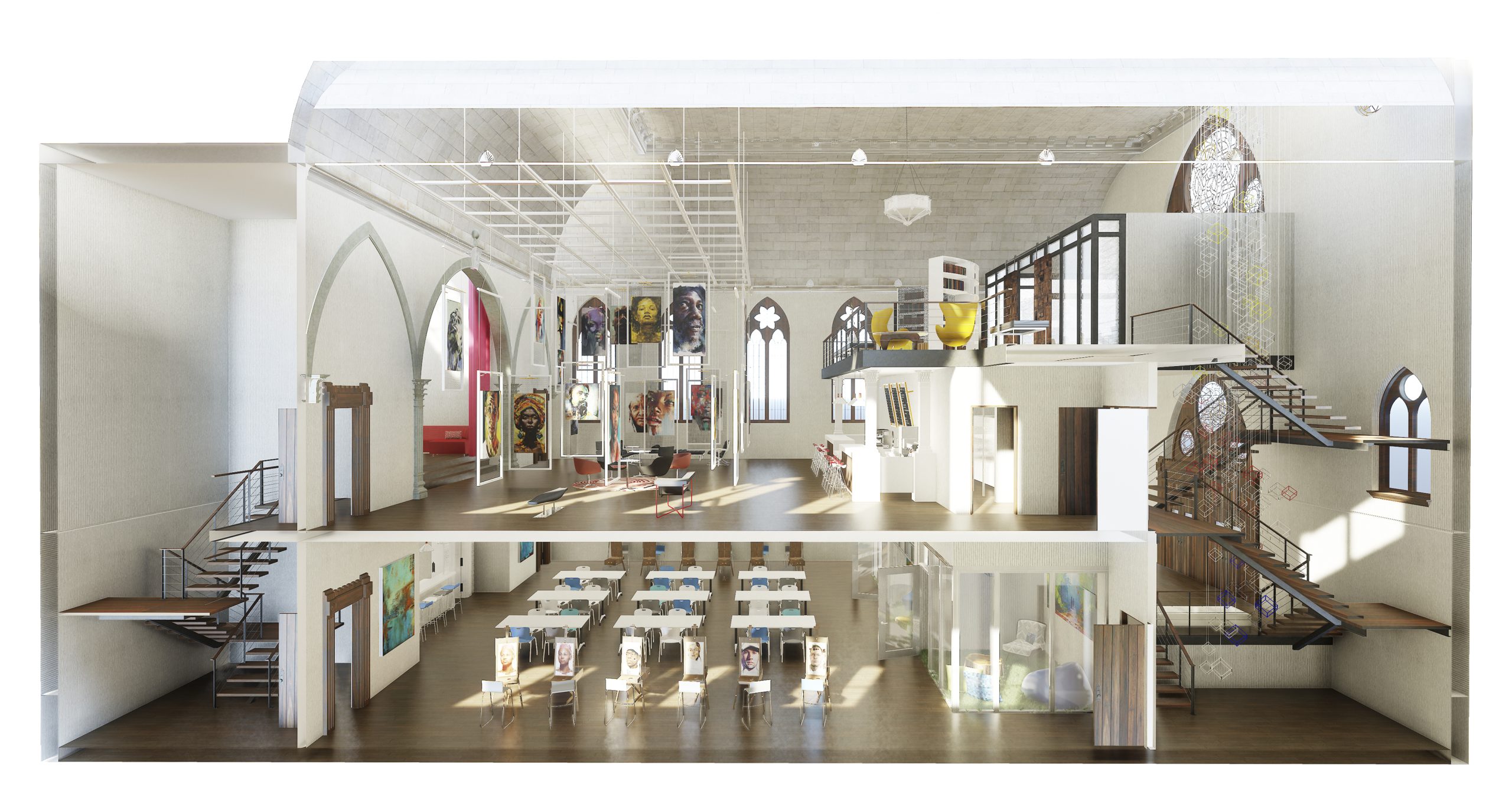
Our vision is that The First German Reform Church will be saved from its current blighted condition and be transformed into one of Cincinnati’s preserved treasures fitted for today’s use. The long-term vision for the historic First German Reformed Church (FGRC) is to restore and repurpose it to create a home for West End’s history. It will offer office spaces, workshop and classroom spaces, an exhibit space for the West End Art Gallery, a desperately needed neighborhood eatery/coffee shop, and leasable space for events and programming. The FGRC will become the primary ‘third place’ for the West End Community, as well as its cultural history and connection hub.
Mockups of Our Vision for the FGRC








History of the FGRC
The First German Reformed Church was built in the 1850s when the West End was a predominantly German populated community. In the late 1880’s the population of the West End shifted to a largely African American demographic due to city ordinances that restricted where African-Americans were allowed to live within the City of Cincinnati.
By the 1930s, 70% of Cincinnati’s African American population lived in the West End. As church attendance decreased and the German population moved out of the West End neighborhood, the church function changed and became known as the “First Reformed Church.” Outreach and missions became a part of the new congregation. Residents recall the space being used as neighborhood hub that hosted movie nights, block parties, and after school activities for underserved youth in the area. Residents even remember the Black Panthers hosting their regular meetings in the coffee shop that was in Church basement in the 1960s.
In the decades between 1930 – 1970s, the West End was a thriving African American Neighborhood. There were hundreds of African American owned businesses: 137 food stores, 118 bars and restaurants, 86 barber shops and beauty parlors, 80 churches and missions, 24 dry cleaners, and 6 funeral homes. There was a Cotton Club on 6th & Mound Street, where Duke Ellington, Pearl Bailey and Sarah Vaughn had played. Boxer Joe Lewis was a regular, as was West End native and boxing hero, Ezzard Charles.
In the early 1970’s, the West End became victim to the systematic demolition of what had become Cincinnati’s thriving, bustling African American cultural hub. Urban renewal demolished approximately 25,000 homes in the West End. The First Reformed Church congregation was forced to sell the church in 1975 and it has since been abandoned.
The building was sold to OTR Adopt for $1 in 2011 after a successful effort by the Cincinnati Preservation Society to save the church from demolition. Three young artists took on the project to create the community arts center, but were never able to raise the funding needed due to the church’s poor condition. Over the last decade, the church has changed hands multiple times and is now owned by Seven Hills Neighborhood Houses. The First German Reformed Church (FGRC) is designated as a historical site on both a state and federal level and is located within The Dayton Street Historic District.